Buying guide
Best Electric Mountain Bike For Adults In 2026: How To Choose (And Where The Levo SL 2 Fits)
By Ruben Marsh · Staff writer · Reviewed by Miles Mercer
Last updated
We earn commissions from links on this page, at no cost to you. Our picks stay independent. Prices are indicative and were last checked around publication — they change often, so confirm the current price on the retailer’s site. How we research & rank →
The pick
Ranked, with the trade-offs
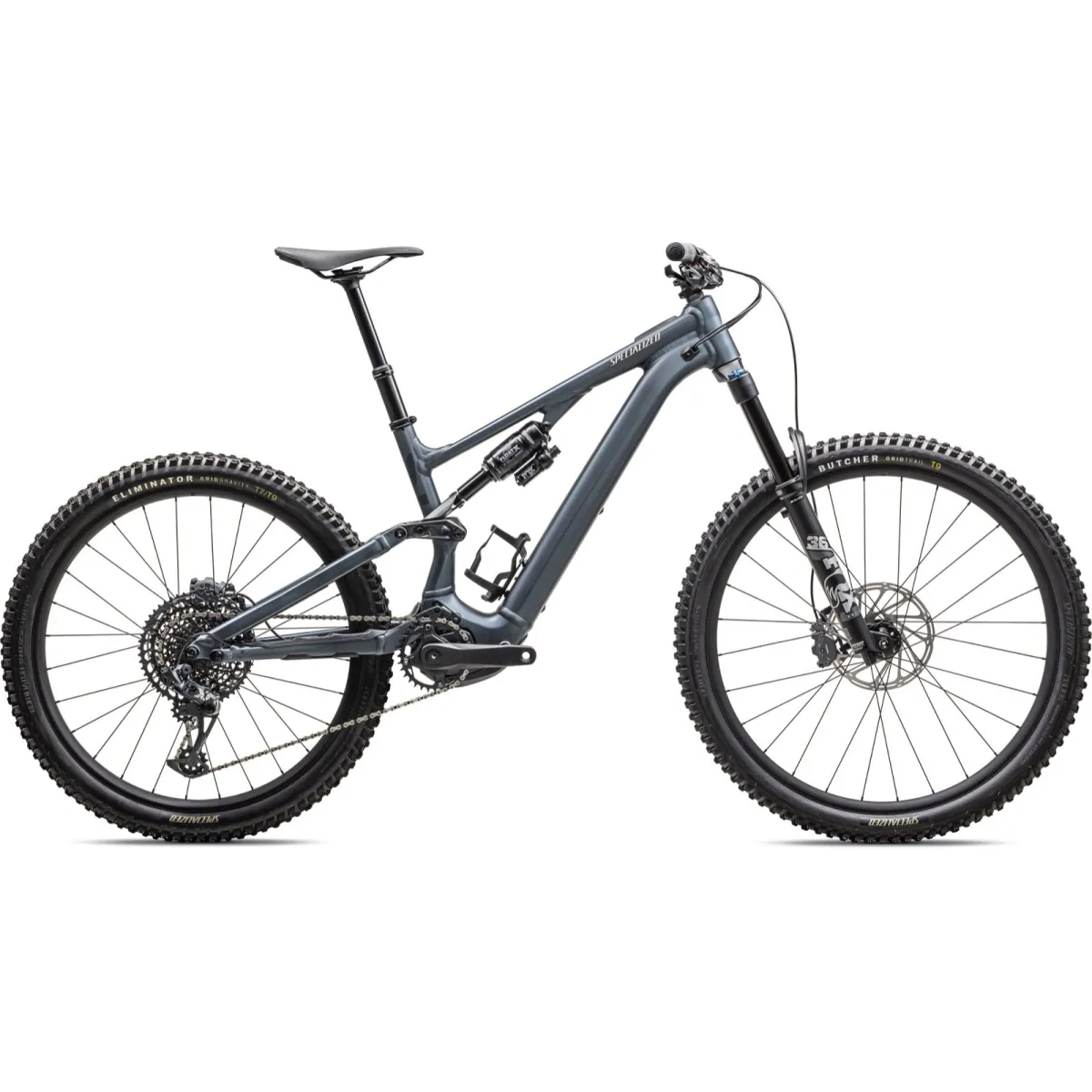
Specialized Levo SL Comp
from
$8000
A lightweight, mid-power eMTB that behaves like an analog trail bike while offering a natural boost on climbs.
Pros
- + Rides and handles much like a non-assisted trail bike
- + Adjustable head angle and mixed-wheel setup for versatile handling
- + Lighter weight than full-power eMTBs improves agility on technical terrain
Cons
- – Lower power output than full-power motors can struggle on very steep climbs
- – Smaller battery limits range compared to full-power eMTBs
The short answer
There isn’t a single best electric mountain bike for adults, because “best” depends on whether you want a motor that replaces effort or one that extends it. That split — SL-class, mid-power bikes versus full-power eMTBs — is the first decision to make, before brand or price. Picking the wrong side of that split is one of the most common mistakes buyers make, according to discussions on EMTB Forum and guidance from Epic Cycles. Riders also tend to overestimate how much motor wattage matters compared to terrain and rider weight, while underestimating how much extra maintenance a high-torque drivetrain demands.
This guide works through that framework, then looks closely at one bike, the Specialized Turbo Levo SL 2 Comp Alloy, as a case study for the SL side of the category. It’s not the only bike worth considering, and it won’t suit riders chasing maximum climbing assist. Where the spec sheet leaves questions unanswered — exact real-world range, how the trim compares gram-for-gram against rivals — this guide says so rather than guessing at precision the manufacturer hasn’t published for this specific build.
The two camps: SL versus full-power, and who each one is for
Full-power eMTBs use motors built for maximum torque and sustained climbing assistance — think Bosch Performance Line CX Gen 5, Shimano EP801, or Specialized’s own higher-output 3.1 motor. These systems typically add more weight to the bike and more torque to the drivetrain. The result flattens steep climbs but accelerates wear on chains and cassettes compared to an unassisted bike, a maintenance cost first-time buyers often overlook per Epic Cycles and EMTB Forum discussions.
SL-class bikes go the other direction. They use a lighter, lower-torque motor to shave weight off the whole bike, aiming to preserve the handling and feel of an analog trail bike while still giving climbs a boost. The Specialized Turbo Levo SL 2 Comp Alloy is built on this philosophy, and it’s worth studying closely because it shows both what you gain and what you give up when a manufacturer prioritizes ride feel over raw power.
Neither camp is objectively better. A rider who’s new to mountain biking and wants steep, sustained climbs to feel easy will likely be happier on a full-power bike. A rider who already rides an unassisted trail bike competently and wants the motor to extend range and take the edge off long days rather than do the climbing for them is the target buyer for something like the Levo SL 2.
Specialized Turbo Levo SL 2 Comp Alloy: the SL case study
The Levo SL 2 Comp Alloy runs Specialized’s own SL 1.2 motor, spec’d at 50Nm of torque and 320W peak power, according to Specialized’s own specifications for this platform. That places it toward the lower-torque end of the eMTB spectrum generally — full-power units from Bosch, Shimano, and Specialized’s heavier 3.1 motor run well above 85Nm — though exact competitive rankings shift often enough that it’s worth checking current spec sheets rather than treating any single number as fixed. Specialized isn’t chasing horsepower here. Per e-bike-mtb.com’s 2026 coverage, the broader industry has been shifting some attention away from raw power toward motor feel and system integration, and that’s the lane this bike plays in.
Specialized lists the bike at around 40 lbs, which is meaningfully lighter than most full-power eMTBs. Mid-drive motors already keep mass low and central for better handling on technical terrain versus hub motors that add unsprung weight at the rear wheel and hurt suspension performance per Upway and HOVSCO. A lighter mid-drive motor amplifies that advantage. Owner reviews and outlet testing, including coverage from Flow Mountain Bike and Cycling Electric, tend to describe SL-class bikes like this one as feeling closer to an unassisted trail bike than to a typical eMTB, with the motor providing a boost rather than a dominant push. That’s a pattern across reviews, not a number you can bank on for your exact unit and setup.
Specialized specs the suspension at 150mm rear and 160mm front, which lands in trail territory rather than enduro (enduro bikes typically run 170mm-plus). That matches the bike’s stated personality: capable on roots and technical singletrack, not built as a lift-served enduro sled. The mixed 29-inch/27.5-inch wheel setup is flip-chip convertible, letting riders adjust geometry and head angle, a level of customization you don’t get on most stock eMTBs.
The battery is a 320Wh integrated pack per spec, expandable with a range extender accessory. That’s small next to the 625-750Wh packs common on full-power eMTBs built for long, climb-heavy days, and it’s the bike’s clearest trade-off. Elevation gain drains a battery faster than flat riding does according to BikeRadar and MTB Monster’s coverage of e-MTB battery sizing, so on a big sustained climbing day a 320Wh pack will empty well before a larger full-power battery would. The range extender helps close that gap, but it’s an add-on purchase, not a built-in fix.
Pros:
- Rides and handles closer to a non-assisted trail bike than most eMTBs per reviewer consensus
- Adjustable head angle and mixed-wheel setup for tunable handling
- Lighter weight than full-power eMTBs improves agility on technical terrain
Cons:
- Lower torque output than full-power motors means more rider effort on sustained steep climbs
- Smaller integrated battery limits range on long or climb-heavy rides without the extender
- Premium pricing puts it in direct competition with other high-end trail-focused eMTBs, so it’s worth cross-shopping before committing
How it stacks up against other trail-focused eMTBs
The Levo SL 2 doesn’t compete in a vacuum. Trek’s Fuel EXe and Orbea’s Rise occupy similar SL territory — lighter, lower-torque motors aimed at riders who want trail-bike handling with a boost rather than a full-power shove. The meaningful differences buyers should dig into before choosing between them are motor character (how power comes on and cuts off), battery capacity versus total bike weight, and how each brand’s suspension platform handles technical terrain specifically, since geometry and kinematics vary more between these bikes than the headline torque numbers suggest. Outlets like Flow Mountain Bike and Cycling Electric publish annual comparison testing that puts these bikes on the same trails, and that head-to-head riding impression is worth reading before you buy because spec sheets alone won’t tell you how motor power actually feels underfoot.
This is a premium bike at a premium price, and it’s not for everyone. If you’re new to mountain biking and want the motor to do the heavy lifting on steep, sustained climbs, a full-power system will get you up hills with less physical effort. The Levo SL 2 and SL-class bikes generally are for riders who already know how to ride a trail bike and want the assist to extend their legs, not replace them.
How much motor torque do you actually need?
Torque requirements scale with terrain. Flat to rolling trail riding doesn’t demand much assist, and lighter SL motors in the 50-60Nm range are generally adequate there. Steeper, more sustained climbing is where higher-torque full-power motors earn their weight penalty, since more torque means less rider effort per pedal stroke on a steep grade. Buyers regularly riding steep, technical ascents should lean toward the higher-torque, full-power class rather than an SL bike, even though SL bikes will still climb with more rider input required. Treat any specific torque-to-grade threshold you read online as a rough guide rather than an engineering guarantee, since real climbing difficulty depends on trail surface, tire grip, and rider weight as much as motor spec.
Full suspension or hardtail: which do you need?
Full-suspension e-MTBs are the right call if you’re riding roots, drops, or technical terrain regularly, while hardtails are perfectly adequate for smoother trails and reward you with a lighter, more agile bike according to BikeRadar and Flow Mountain Bike’s testing consensus. Suspension travel in the 140-160mm range covers most trail riding, while 170mm-plus is built for enduro-style terrain with bigger hits. The Levo SL 2’s 150mm/160mm split puts it firmly in the trail category, not enduro.
Why mid-drive motors dominate this category
Mid-drive motors lead electric mountain bike design because they use the bike’s own gearing, delivering meaningfully better efficiency on hills compared to hub motors along with more precise torque modulation as you shift per BikeRadar and Upway’s analysis of e-MTB motor systems. That efficiency gain matters more on mountain terrain than on flat commuter routes, which is part of why you’ll struggle to find a serious eMTB running a hub motor at all. It’s also why nearly every bike worth considering in this guide, including the Fuel EXe and Rise mentioned above, is built around a mid-drive platform.
What about Class 1 vs Class 3 for trail access?
Class 1 e-MTBs, capped at 20 mph and pedal-assist only with no throttle, have the broadest trail access across U.S. federal and state land and are the safer default choice over Class 3 bikes if trail access matters to you. Regulations vary by state and county, but Class 1 bikes are permitted in more places than Class 2 (throttle-assisted) or Class 3 (higher speed cap) bikes according to Trek, Upway, and BLM guidance. Before buying, check what your local trail system actually allows. It’s a cheap mistake to avoid and an expensive one to make after the fact.
Battery range and degradation, realistically
Real-world range for full-power e-MTBs varies widely depending on terrain, rider weight, and assist mode. Elevation gain drains the battery meaningfully faster than flat riding per BikeRadar, MTB Monster, and e-Bike24’s coverage of e-MTB range. Lower-capacity packs like the Levo SL 2’s 320Wh unit will land well below what a full-power bike’s larger battery can do, especially on climb-heavy rides, which is exactly why the range extender exists as an option worth budgeting for if your rides are long.
On longevity, lithium-ion batteries, the industry standard, hold stable capacity for roughly 500-1,000 charge cycles before meaningful degradation, translating to a few years of regular use per BikeRadar’s battery guidance. Cold weather can temporarily cut range, and sustained heat accelerates long-term degradation, so how and where you store the bike matters as much as how you ride it.
How to choose in this segment
Start with terrain, not price. If your rides involve steep, sustained climbs, prioritize a full-power motor and accept the added weight. If your terrain is rolling, or you already ride an unassisted trail bike well, a lighter SL-class bike like the Levo SL 2, a direct rival like the Fuel EXe, or the Orbea Rise will feel more natural and won’t punish you with extra weight on descents.
Check battery size against your actual ride length and elevation gain, not just headline range figures, since climbing drains a battery far faster than flat riding does. Confirm the bike’s Class rating against your local trail regulations before you buy, since access rules vary widely by state and county. High-torque e-MTBs also chew through chains and cassettes faster than analog bikes, a maintenance cost worth budgeting for.
Finally, test ride if you possibly can, and ideally test ride more than one bike in the category you’ve settled on. Geometry, head angle, and how a motor’s power delivery actually feels underfoot vary enough between systems, even within the SL class, that spec sheets alone won’t tell you whether a bike fits how you actually ride.
Keep reading
- Electric bike
- Aventon Aventure 3 review
- Electric bike for adults
- How to choose an electric bike
- Electric utility bike
- Aventon soltera ebike
- Aventon aventure 2 ebike
- HappyRun Tank G100 Pro review
Sources
- Best e-MTBs 2026 | Flow Mountain Bike
- Electric Mountain Bikes 2026 | Cycling Electric
- Best Electric Mountain Bikes | BikeRadar
- E-MTB Test 2025/2026 | e-bike-mtb.com
- E-Bike Motor Torque Specifications | Tamobyke
- Understanding Ebike Range | Ride1Up
- E-MTB Battery Size Guide | MTB Monster
- Ebike Batteries Explained | BikeRadar
- E-Bike Battery Range | e-Bike24
- Electric Mountain Bike Buying Mistakes | Amflow
- Mountain Bike Buying Mistakes | BikeRadar
- First-Time E-Bike Buyer Mistakes | Epic Cycles
FAQ
Frequently asked questions
- What is a good torque rating for an electric mountain bike?
- It depends on your terrain more than any fixed number. Lighter SL motors in the 50-60Nm range, like the one in the Specialized Turbo Levo SL 2 Comp Alloy, suit riders on rolling terrain who prioritize agility over maximum climbing assistance. Riders regularly tackling steep, sustained climbs generally get more benefit from a full-power motor above that range, since more torque reduces rider effort per pedal stroke on steep grades. Treat specific thresholds as rough guidance rather than an engineering cutoff, since tire grip, trail surface, and rider weight all affect how a climb actually feels.
- How long does an electric mountain bike battery last?
- Lithium-ion batteries, the industry standard in e-MTBs, typically hold stable capacity for roughly 500 to 1,000 charge cycles before meaningful degradation sets in, per BikeRadar's battery guidance. Cold weather can temporarily reduce range, and sustained heat speeds up long-term degradation, so storage conditions matter as much as charging habits over the life of the battery.
- Is a Class 1 or Class 3 electric mountain bike better for trail riding?
- which are pedal-assist only and capped at 20 mph, have the broadest access to trails on U.S. federal and state land compared to Class 2 or Class 3 bikes, per Trek, Upway, and BLM guidance. If trail access is a priority, check local regulations before buying, since rules vary significantly by state and county."}]
- How does the Specialized Turbo Levo SL 2 compare to bikes like the Trek Fuel EXe or Orbea Rise?
- All three sit in the SL, or lightweight mid-power, category, using lower-torque motors to preserve trail-bike handling rather than maximizing climbing assist. The meaningful differences between them come down to motor character, battery capacity relative to total bike weight, and suspension kinematics on technical terrain, rather than headline torque numbers alone. Outlets like Flow Mountain Bike and Cycling Electric run annual comparison testing that puts these bikes on the same trails, which is worth reading before choosing, since ride feel varies more between these bikes than spec sheets suggest.
- Do heavier riders need a bigger battery on an e-MTB?
- Yes, generally. Real-world range depends heavily on rider weight along with terrain and assist mode, and elevation gain drains a battery meaningfully faster than flat riding, per BikeRadar and MTB Monster's coverage of e-MTB batteries. Heavier riders tackling hilly terrain should lean toward a larger battery capacity, or budget for a range extender if riding an SL-class bike with a smaller integrated pack like the Levo SL 2's 320Wh unit.