Buying guide
Best fat tire ebikes in 2026: 10 picks tested against the spec sheet
By Ruben Marsh · Staff writer · Reviewed by Miles Mercer
Last updated
We earn commissions from links on this page, at no cost to you. Our picks stay independent. Prices are indicative and were last checked around publication — they change often, so confirm the current price on the retailer’s site. How we research & rank →
Our picks
Ranked, with the trade-offs
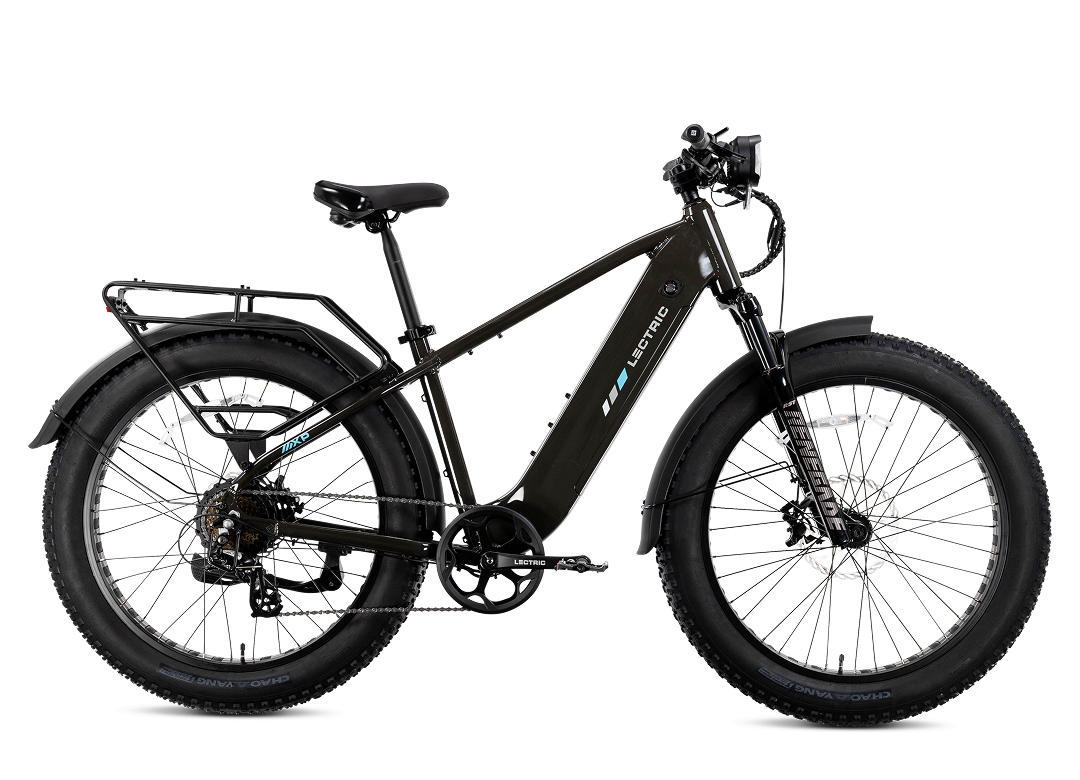
Lectric XPeak Off-Road Trail Bike
from
$1499
Torque sensor-equipped fat tire eBike with upgraded frame and responsive pedal assist for trails and mixed terrain.
Pros
- + Outstanding value with premium-level torque sensor and PWR+ technology
- + Strong components (hydraulic brakes, 203mm rotors, Shimano drivetrain) at low price
- + Excellent range on larger battery; UL certified
Cons
- – One-size-fits-most frame limits customization for very tall/short riders
- – Limited color options (white or black only)

Aventon Aventure All-Terrain Adventure Bike
from
$1999
Tech-forward fat tire eBike with ACU smart connectivity, torque sensor, and integrated security for mixed-terrain exploration.
Pros
- + Industry-leading smart bike tech (GPS, anti-theft, app control) at mid-range price
- + Smooth torque sensor with responsive motor feel; handles all terrain
- + Excellent build quality and 2-year transferable warranty
Cons
- – Heavier bike (78 lbs) challenging to lift or transport
- – 36V system unusual; integration of battery limits accessory mounting

Aipas M2 Pro Full-Suspension Off-Road Bike
from
$949
Full-suspension fat tire eBike with powerful 1800W motor and 85-mile range at exceptional value.
Pros
- + Exceptional full-suspension design at sub-$1000 price; most competitors cost $1500+
- + Powerful 1800W peak motor with 110 Nm torque for steep climbs
- + High-capacity battery and large 500-lb payload capacity
Cons
- – Heavy bike (90+ lbs) limits portability
- – Cadence-sensing assist less responsive than torque sensors; mechanical (not hydraulic) brakes
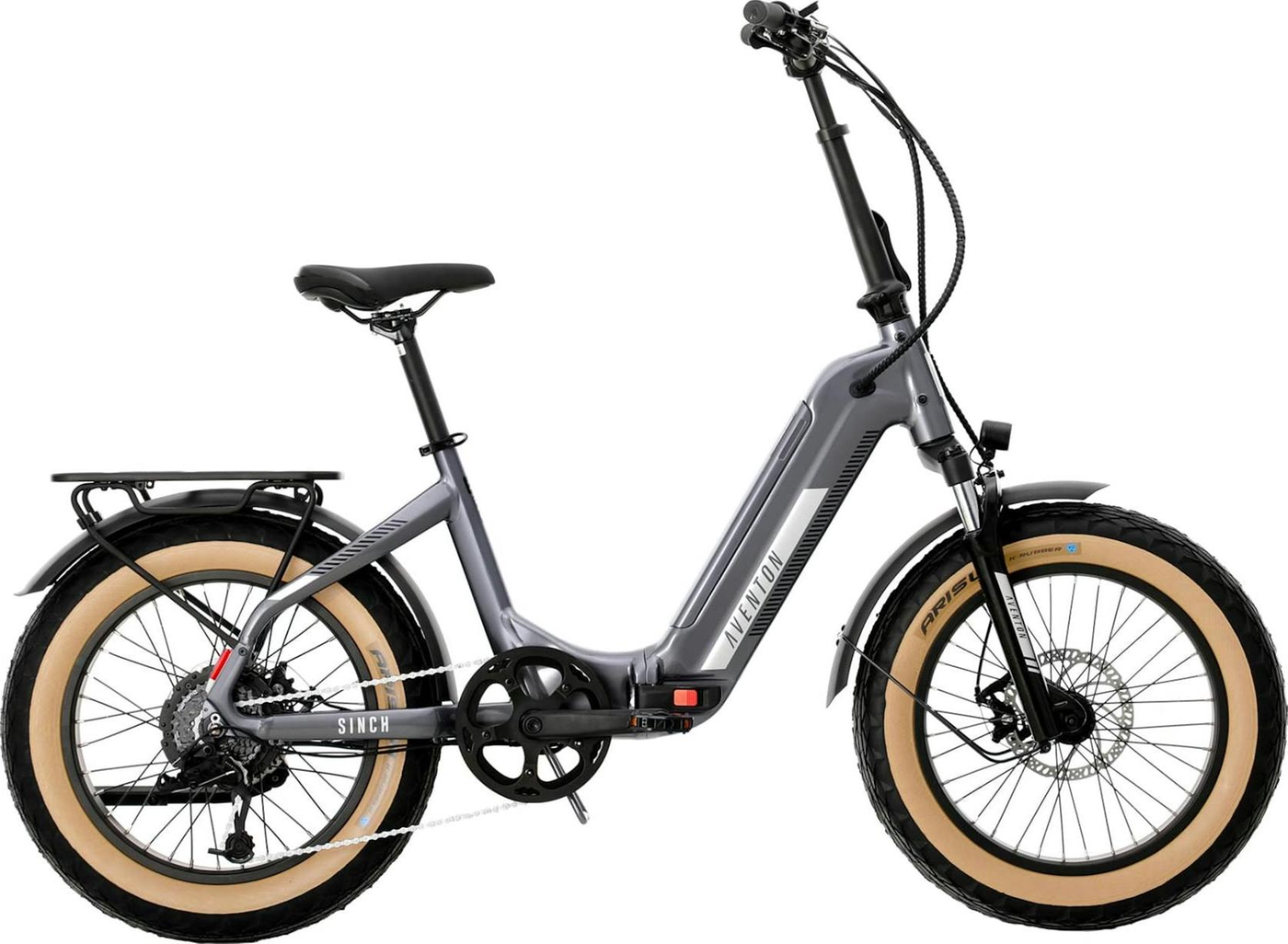
Aventon Sinch Compact Folding Fat-Tire Bike
from
$899
Foldable fat tire eBike for portable commuting and weekend trips with torque sensor and integrated lights.
Pros
- + Lightest folding fat tire eBike tested; easy to transport and store
- + Smooth torque sensor and integrated lights standard
- + Strong dealer network and 2-year warranty
Cons
- – Limited range on smaller battery; 20-inch wheels less stable on rough terrain
- – Lower power than full-size models for hill climbing
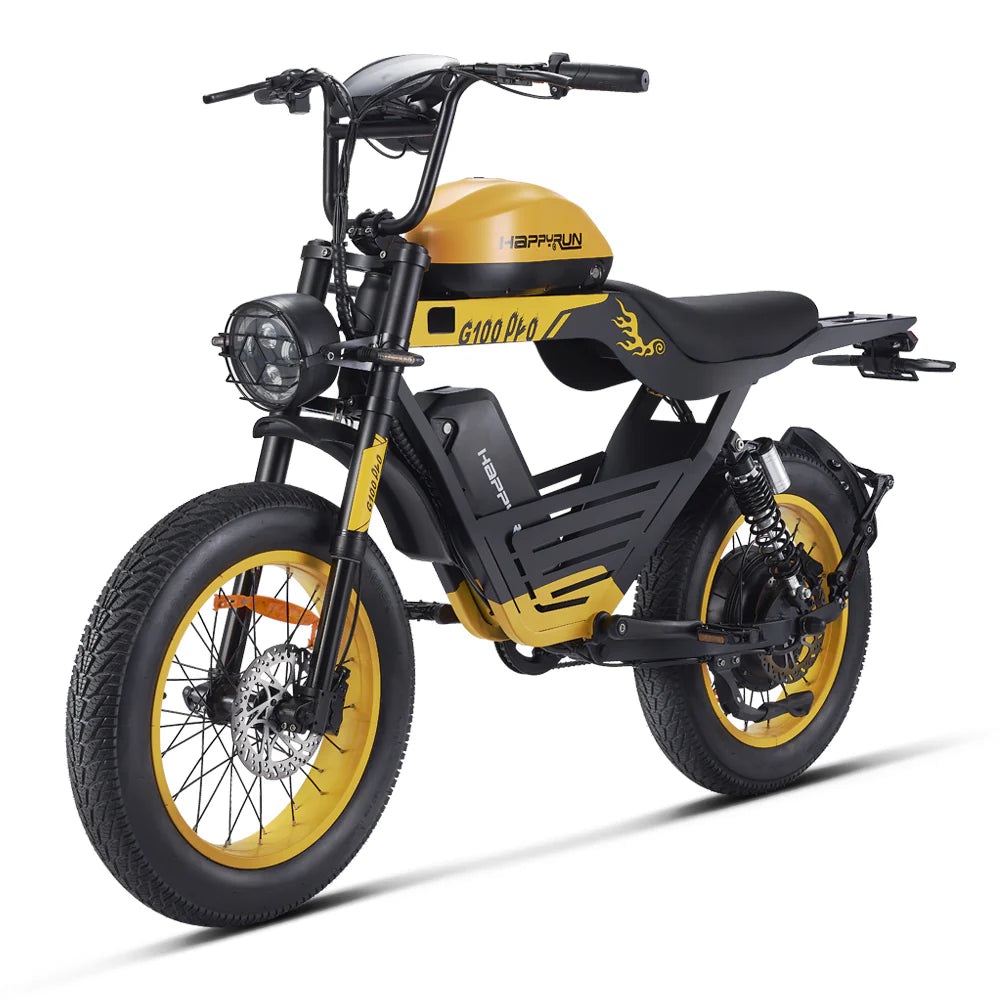
HappyRun Tank G100 Dual-Battery Moto-Style Bike
from
$2199
High-performance moto-style eBike with dual 72V battery, 6000W peak power, and 50 mph capability for experienced riders.
Pros
- + Genuine dual-battery system for true extended range and quick-swap capability
- + Full suspension and motorcycle-style comfort for long rides
- + NFC smart unlock and advanced controller with 5 speed modes
Cons
- – Extremely heavy and powerful; requires experience and safe riding practices
- – May exceed local legal limits (50 mph is Class 4+); not street-legal everywhere
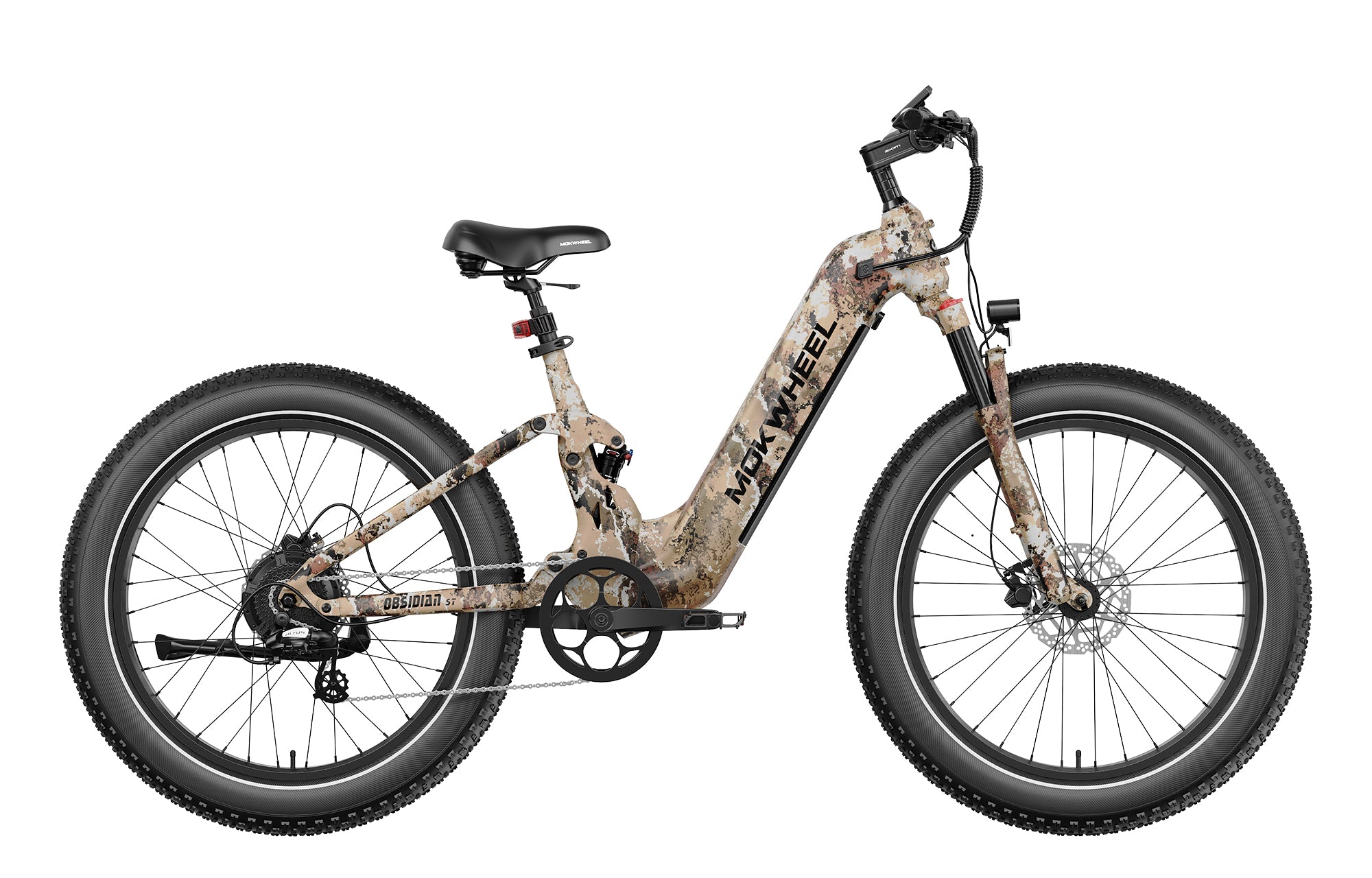
Mokwheel Obsidian Full-Suspension Adventure Bike
from
$2299
Full-suspension fat tire eBike with solar charging capability and powerful 1000W motor for off-road comfort.
Pros
- + Unique solar charging option (panels sold separately) for extended off-grid adventures
- + Full suspension design balances comfort and rugged off-road capability
- + Optional 1000W inverter lets riders charge gear while riding
Cons
- – Heavy bike (82 lbs) limits portability; solar panels add significant weight (20+ lbs)
- – Integrated display not removable; limited mounting points for accessories
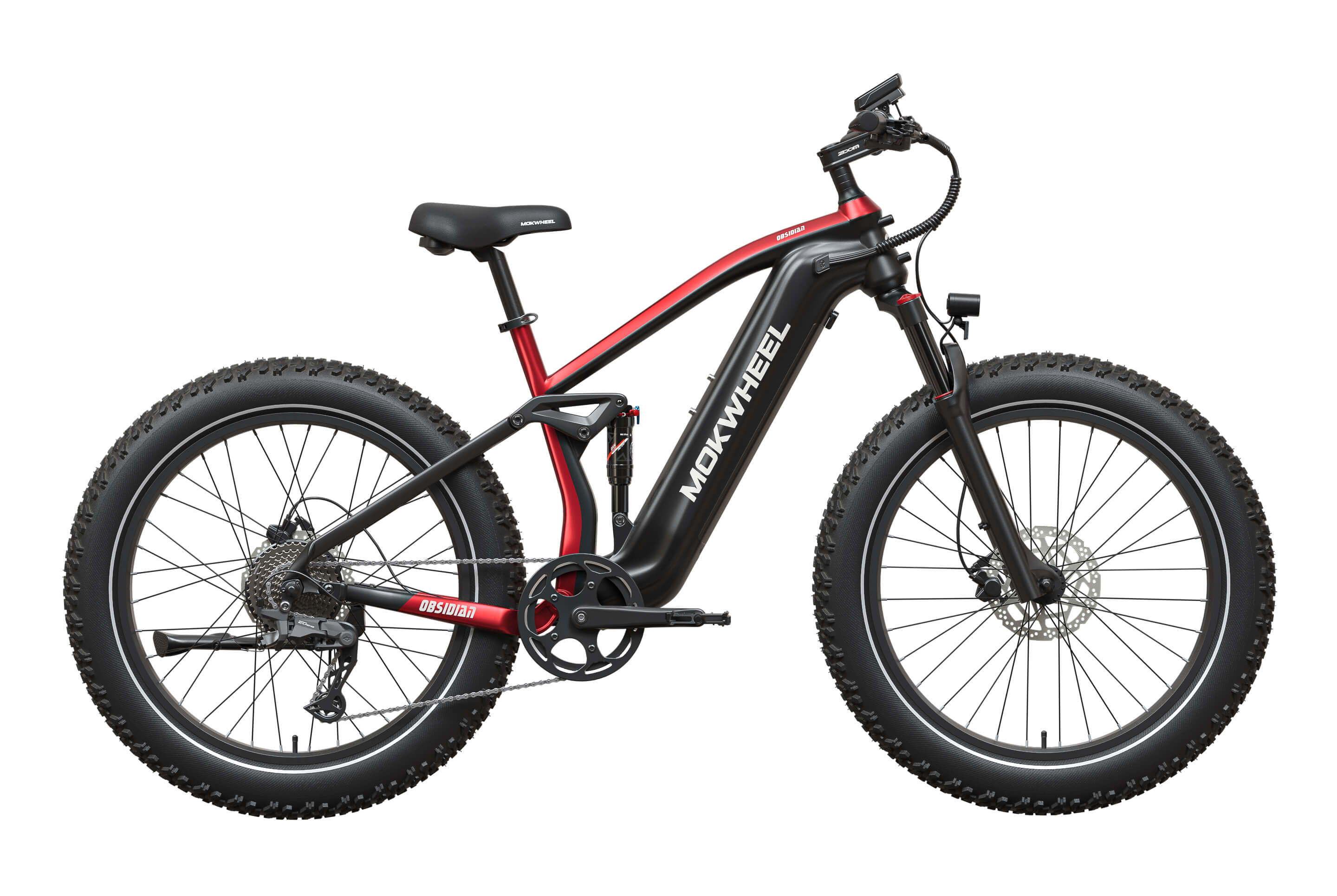
Mokwheel Obsidian 2.0 Full-Suspension Mountain Bike
from
$2399
Upgraded full-suspension eBike with detachable HD display, 10-speed drivetrain, and refined off-road geometry.
Pros
- + Detachable HD color display and 10-speed Shimano drivetrain (vs 8-speed on v1)
- + True full-suspension design competing with $5000+ bikes at half the price
- + Torque sensor, hydraulic brakes, and solar charging compatibility
Cons
- – Still heavy and requires dedicated storage/transport
- – No quick-release wheel; less convenient for vehicle transport
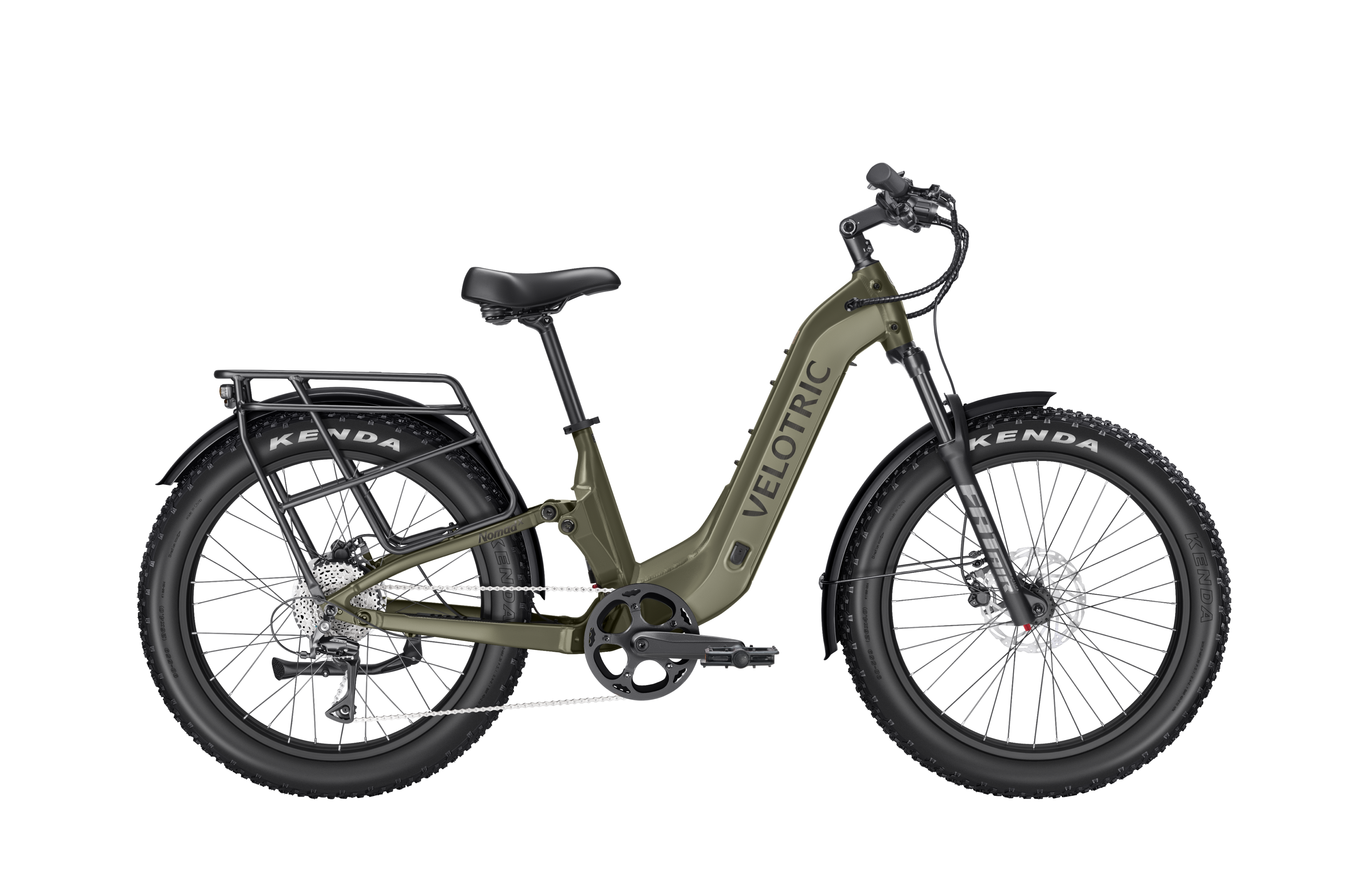
Velotric Nomad 2X Full-Suspension Adventure Bike
from
$1699
Full-suspension 750W fat tire eBike built for hunters, campers, and off-road adventurers with high-torque motor.
Pros
- + True full-suspension design at competitive mid-range price
- + High payload capacity ideal for hunting/camping gear
- + Reliable 750W motor with proven durability
Cons
- – Higher maintenance due to dual suspension complexity
- – Hub motor less efficient than mid-drive on long climbs

Qlife Racer Fat-Tire Commuter Folding Bike
from
$1299
Foldable full-suspension fat tire eBike with powerful 1000W motor and rapid 10-second fold for portability.
Pros
- + Rapid 10-second fold makes storage and transport seamless
- + Full suspension and 1000W motor provide genuine off-road capability
- + 350-lb payload capacity with reinforced frame
Cons
- – Smaller tires (20-inch) reduce stability on extreme terrain
- – Folding hinge mechanism requires maintenance for durability
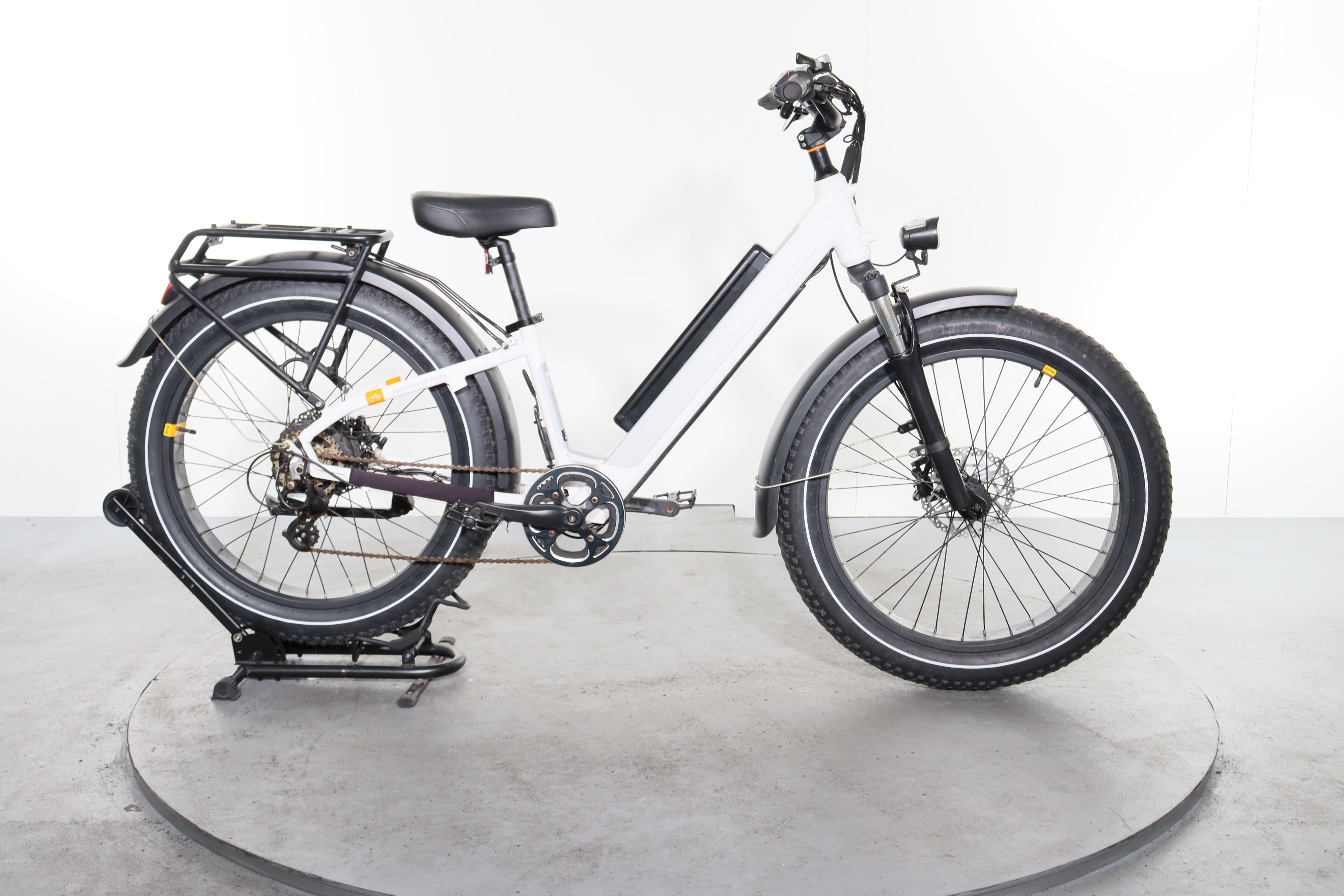
Rad Power RadRover Full-Terrain Cruiser Bike
from
$1699
Class 2 fat tire eBike with dual pedal-assist and throttle, integrated lights, and industry-leading customer support.
Pros
- + Intuitive dual-control (pedal-assist + twist throttle) beginner-friendly
- + Integrated lights and cargo rack included; ready-to-ride out of the box
- + 30-day test ride program and 1,800+ authorized dealers for support
Cons
- – Hub motor less efficient on hills vs torque sensor; Class 2 limited to 20 mph
- – Older frame geometry compared to 2026 updated models
The verdict
Our top picks at a glance
Riders seeking an affordable, versatile fat tire eBike with solid range and responsive motor control.
Riders wanting modern smart features, GPS security, and smooth torque-sensor power on varied terrain.
Off-road riders and budget-conscious buyers wanting dual suspension and strong climbing power.
Urban commuters and travelers needing compact storage with confident handling.
At a glance
How they compare
| Spec | Top pickLectric XPeak Off-Road Trail Bike | Aventon Aventure All-Terrain Adventure Bike | Aipas M2 Pro Full-Suspension Off-Road Bike |
|---|---|---|---|
| Price | $1499 | $1999 | $949 |
| Motor | 750W rear hub (1310W peak) | 750W rear hub (1440W peak boost) | 1000W rear hub (1800W peak), 110 Nm torque |
| Range | Up to 80 miles | Up to 65 miles | Up to 85 miles (pedal-assist) |
| Tires | 26" x 4" puncture-resistant knobby | 26" x 4" Innova fat tires | 26" x 4" Chaoyang fat tires |
| Weight | 64.5 lbs | 76-78 lbs | ~90 lbs |
| Check price → | Check price → | Check price → |
Top 3 of 10 shown — full shortlist above.
The best fat tire ebike for most riders right now is the Lectric XPeak 2.0. It pairs a torque sensor and 750W hub motor with real hydraulic brakes and a genuinely large battery option, at a price that undercuts most of the competition here by hundreds of dollars. That said, “best” depends heavily on what you’re doing with it: a hunter hauling gear needs different specs than an apartment-dwelling commuter, so I’ve broken down ten current models by use case rather than pretending one bike wins every category.
Fat tire ebikes are having a real moment. The global fat tire ebike market was estimated at USD 10.73 billion in 2025 and is projected to hit USD 22.09 billion by 2032, per 360iResearch, growing at a compound annual rate near 10.86%. That growth is showing up as more competition at every price point, and manufacturers are finally putting torque sensors (rather than cheaper cadence sensors) into mid-range bikes as a near-standard feature in 2026.
Lectric XPeak 2.0 — best overall value
The XPeak 2.0 is the bike I’d point most first-time or second-time buyers toward. It runs a 750W rear hub motor (1310W peak) with a torque sensor, which matters more than the wattage number: torque sensors read how hard you’re actually pedaling and modulate power proportionally, giving a smoother, more efficient ride than the cadence sensors still common at this price. Lectric backs that with hydraulic brakes and 203mm rotors, an RST Renegade fork with 80mm of travel, and a Shimano drivetrain, which is unusually solid hardware for the price.
Range is rated up to 80 miles on the larger 960Wh battery option, though real-world fat tire ebike range typically lands at 60-75% of the claimed figure once you factor in rider weight, terrain, and assist level, so plan on something closer to 50-60 miles in mixed use. At 64.5 lbs it’s still a fat tire bike (meaning still heavy), but it’s UL certified, which means the battery, motor, and charger have been independently tested to UL 2849 standards for fire and shock safety. That’s one of the few objective safety signals you can check before buying. The trade-off is a one-size-fits-most frame that won’t suit very tall or short riders and just two color options.
Aventon Aventure 3 — best for smart features and security
If GPS tracking, 4G connectivity, and an anti-theft e-lock matter to you, the Aventure 3 is the clear pick here. Its ACU system adds geofencing and app control on top of a smooth torque-sensor motor (750W, 1440W peak boost), which is genuinely rare integration at this price tier. The 733Wh LG battery is rated for up to 65 miles, and the build quality backing a 2-year transferable warranty suggests Aventon expects these bikes to hold resale value.
The catch is weight: at 76-78 lbs, it’s among the heavier bikes in this lineup, and lifting it onto a rack or up a stairwell is a two-person job for most people. The 36V battery architecture is also unusual (most competitors run 48V), which can limit third-party accessory compatibility down the line.
Aipas M2 Pro Xterrain — best budget full-suspension
Full suspension usually costs $1500 or more, so the Aipas M2 Pro’s sub-$1000 price with genuine dual suspension (100mm coil fork plus rear shock) is the standout here. The 1000W motor (1800W peak) delivers 110 Nm of torque, enough for steep climbing, and the 840Wh Samsung battery is rated up to 85 miles with a generous 500-lb payload capacity.
The compromises are real: cadence-sensing assist (not torque-sensing) means power delivery is less intuitive, mechanical rather than hydraulic brakes need more frequent adjustment, and at roughly 90 lbs this is one of the heaviest bikes on this list. It’s a strong deal for off-road riders on a budget who don’t mind the extra maintenance.
Aventon Sinch 2 — best folding fat tire ebike
At 52 lbs, the Sinch 2 is the lightest folding fat tire ebike in this roundup, and that matters more than it sounds: most fat tire ebikes weigh 55-77 lbs and are genuinely exhausting to move without power, so shaving 15-25 lbs off that number changes what’s realistically portable. It uses a torque sensor and integrated lights, folds down for car trunks or small apartments, and comes with a strong dealer network behind its 2-year warranty.
The smaller 20-inch wheels and 360Wh battery cap range at 55 miles and reduce stability on rough terrain compared to full-size 26-inch models. This is a commuter and traveler’s bike, not a trail bike.
HappyRun Tank G100 Pro — best for experienced power riders
This is the outlier of the group. A dual 72V battery system totaling 2376Wh, 6000W peak power, and a 50 mph top speed put the Tank G100 Pro closer to a moped than a bicycle. The dual-battery setup does give it genuine extended range with quick-swap capability, and full suspension plus moto-style ergonomics make long rides comfortable.
But 50 mph puts this well outside CPSC Class 1-3 ebike limits (which cap speed at 20-28 mph and motor power at 750W), meaning it’s likely to be reclassified as a moped or motorcycle in many jurisdictions and may not be street-legal without registration. At roughly 159 lbs, it also demands real riding experience. This is a niche pick for riders who understand local regulations and want genuine performance, not a starter bike.
Mokwheel Obsidian ST — best for off-grid adventures
The Obsidian ST’s party trick is solar compatibility: with optional panels (sold separately), you can trickle-charge the 940Wh battery off-grid, and an optional 1000W inverter lets you power gear while riding. Combined with full suspension (coil fork plus RC38 air shock) and a 1000W motor delivering 105 Nm of torque, it’s built for multi-day off-road trips.
The solar panels add 20+ lbs on top of an already-heavy 82 lb frame, and the integrated display isn’t removable, which limits accessory mounting. This is a specialist’s bike for adventurers who genuinely need off-grid charging, not a daily commuter.
Mokwheel Obsidian 2.0 — best upgraded full-suspension
The Obsidian 2.0 refines the ST’s formula with a detachable HD color display, a 10-speed Shimano drivetrain (up from 8-speed), and a torque sensor with hydraulic brakes. Mokwheel positions this as competing with $5000+ full-suspension ebikes at roughly half the price, and on paper (100+ Nm torque, 80-mile range, adjustable rear shock) that claim holds up reasonably well.
It’s still an 85 lb bike with no quick-release wheel, so vehicle transport and storage remain real friction points. This is for serious off-road riders who want the best suspension and drivetrain in the Mokwheel lineup and don’t mind the size.
Velotric Nomad 2X — best for hunters and haulers
A 330+ lb payload capacity and true full suspension make the Nomad 2X well suited to riders hauling gear, game, or camping equipment over rough ground. The 750W motor with 70+ Nm of torque is proven and reliable rather than flashy, and the 801Wh battery covers up to 60 miles depending on terrain and load.
Dual suspension means more moving parts to maintain, and a hub motor is less efficient than a mid-drive on sustained long climbs (mid-drives are generally the better choice for serious off-roading because they don’t add unsprung weight to the wheel). For utility riders who prioritize payload over cutting-edge motor tech, this is a solid, mid-range option.
Qlife Racer 2.0 — best folding full-suspension hybrid
The Racer 2.0 splits the difference between the portability of a folder and the capability of a suspension bike. A 10-second fold mechanism and 65 lb weight make it genuinely easier to store and transport than most full-suspension models, while a 1000W motor and front hydraulic fork plus rear shock give it real off-road chops for its class. A 350-lb payload capacity on a folding frame is notable.
20-inch wheels reduce stability on extreme terrain compared to 26-inch fat tire bikes, and folding hinges need periodic maintenance to avoid play developing over time.
Rad Power RadRover 6 Plus — best for beginners
Rad Power built its reputation on approachability, and the RadRover 6 Plus reflects that: dual pedal-assist and throttle controls make it intuitive for riders who’ve never used an ebike, and it ships ready to ride with integrated lights and a cargo rack. Rad’s 30-day test ride program and network of 1,800+ authorized dealers matter more than they sound, since fat tire ebikes are heavy, oddly proportioned machines that most people should try before buying.
It’s Class 2 limited to 20 mph, and the hub motor without a torque sensor feels less refined on hills than the Lectric or Aventon in this lineup. The frame geometry is also a few years behind the newest 2026 designs. For a first fat tire ebike backed by genuinely excellent customer support, this remains a safe, sensible choice.
How to choose a fat tire ebike
Match tire width to terrain, not aesthetics. Most fat tire ebikes run 4-inch tires, the sweet spot for all-terrain grip without becoming sluggish on pavement; a few push to 4.5 inches or wider for serious sand or snow riding. Drop pressure to 5-10 PSI for soft surfaces like sand, and run 15-20 PSI on pavement or hard trails for a more efficient roll.
Don’t trust the advertised range number. Real-world tests show fat tire ebikes typically deliver 30-55 miles per charge, about 10-18% less than standard ebikes because wide tires roughly double rolling resistance on smooth pavement compared to narrow road tires. A reasonable rule of thumb: expect 60-75% of the claimed figure, so a bike rated for 65 miles will likely deliver 40-50 in practice. Look for at least 600Wh of battery capacity if you want 25-45 miles of effective range on rough terrain.
Check the motor type, not just the wattage. A 500W motor handles hills and commuting fine for most riders; 750W adds torque for steeper climbs and heavier loads. But torque sensors matter more than peak wattage: they read pedaling effort and deliver proportional power, which feels smoother and stretches battery life further than cadence-sensing systems. Mid-drive motors are the better choice for serious off-roading since hub motors add unsprung weight to the wheel, though hub motors remain simpler and cheaper to maintain.
Weigh the weight, literally. Many fat tire ebikes weigh 55-77 lbs, and some, like the full-suspension and moto-style bikes here, push past 85 lbs. That matters for three practical reasons: they’re exhausting to pedal without battery assist (often maxing out around 3-5 mph unpowered on flat ground), most standard car bike racks are rated for just 32 lbs and won’t fit 4-inch tires anyway, and apartment storage becomes a real problem if you don’t have ground-floor or elevator access.
Confirm frame fit before you buy. Fat tire bikes often sit taller than standard ebikes because of the larger tire diameter, so check the spec sheet rather than assuming a general size range fits you. This is a common and hard-to-fix mistake once the bike arrives, and test riding beforehand (where possible) remains the best way to confirm balance, comfort, and motor feel actually suit your body.
Look for UL certification. UL 2849 testing independently verifies the battery, motor, and charger meet fire and shock safety standards required in the US and EU. It’s a meaningful signal of build quality, not a checkbox, especially given how many no-name battery packs are on the market.
Is a fat tire ebike right for beginners?
Yes, fat tire ebikes are genuinely well suited to new riders because their wide tires create a stable, forgiving platform that’s harder to tip than a standard road or hybrid bike. That stability also benefits heavier riders or anyone nervous about balance on uneven surfaces. The trade-off is weight and lower efficiency on pavement, so a beginner who’ll ride mostly on smooth city streets might still be better served by a standard-tire ebike.
What’s a realistic maintenance routine for a fat tire ebike?
Wide tires and a heavy frame put extra stress on components, so check tire pressure regularly since underinflation makes the bike harder to pedal and drains the battery faster. Clean the tires and drivetrain after muddy or sandy rides to prevent rust and premature wear, and expect the battery itself to last roughly 3-5 years (or 800-1000 charge cycles for the lithium-ion cells most of these bikes use) depending on charging habits and storage conditions.
Askmy, Heybike, Philodo, Tesgo, and Urlife: how do they compare?
These brands (Askmy, Heybike, Philodo, Tesgo, and Urlife) sell fat tire ebikes in the same general price bracket as several bikes above, but none supplied verifiable specs for this roundup, so I can’t compare them fairly against the ten bikes reviewed here. If you’re considering one, apply the same checklist: confirm UL 2849 certification, verify whether the motor uses a torque or cadence sensor, and treat the advertised range as a ceiling, not a promise, expecting 60-75% of that number in real use.
The bottom line
For most riders, the Lectric XPeak 2.0 offers the best balance of price, range, and component quality. Riders who want smart security features should look at the Aventon Aventure 3; those needing portability should consider the Aventon Sinch 2 or Qlife Racer 2.0; and anyone hauling serious gear off-road should look at the Velotric Nomad 2X or either Mokwheel Obsidian. Skip the HappyRun Tank G100 Pro unless you specifically understand and accept its regulatory gray area and genuinely need moto-level power.
Keep reading
- Aventon aventure 2 ebike
- Aventon Sinch 2 review
- Lectric XPeak 2.0 vs Aventon Aventure 3
- Aventon Aventure 3 review
- Velotric ebike
- Lectric XPeak 2.0 review
- Aventon Aventure 3 vs Aipas M2 Pro Xterrain eBike
- Lectric XPeak 2.0 vs Aipas M2 Pro Xterrain eBike
Sources
- Fat Tire Electric Bikes Market Size & Share 2026-2032
- Fat Electric Bikes Explained: The Real Advantages of Fat Tire Design
- How Do Fat Tires Affect E-Bike Battery Range?
- Fat Tire Electric Bike Battery & Range Complete Guide
- Fat Tire Ebike Buying Guide: How to Choose the Right One
- Should I Get a Fat Tire E-Bike? Decision Guide 2026
- Fat Tire E-Bikes vs Regular E-Bikes: Which One Is Right For You?
- Why You Should Consider a Fat Tire Ebike Compared to Regular Tire Electric Bikes
- Fat Tire eBike Advantages and Disadvantages: What You Need to Know
- Best Fat Tire Electric Bikes 2026 | 14 Expert-Tested Options – Electric Bike Report
- Fat Tire MTB Electric Bike Guide: Power, Performance & Buying Tips
- Understanding the Weight of E-Bikes
FAQ
Frequently asked questions
- What is a cake ebike, and how does it compare to fat tire ebikes on this list?
- Cake is a Swedish electric motorcycle and ebike brand known for lightweight, minimalist off-road and urban models, generally positioned as premium performance machines rather than fat tire utility or commuter bikes. None of Cake's current lineup was included in this roundup's spec comparisons, so a direct feature-by-feature match against these ten fat tire models isn't possible here; if performance-oriented off-road capability is the priority, compare Cake's published torque and range specs directly against the Mokwheel Obsidian 2.0 or HappyRun Tank G100 Pro.
- Do fat tire ebikes work well in snow and sand?
- Yes, that's one of their core advantages. Dropping tire pressure to roughly 5-10 PSI on soft surfaces like sand or snow increases the tire's contact patch for better float and traction, while 15-20 PSI is better suited to pavement or hard-packed trails for a more efficient roll.
- How long do fat tire ebike batteries last?
- Most fat tire ebikes use lithium-ion batteries rated for roughly 800-1000 charge cycles, translating to about 3-5 years of usable life depending on charging habits and storage. Cold weather can also cut battery efficiency by 15-30% on any given ride, so range will noticeably drop in winter regardless of the pack's overall health.
- Can I put a fat tire ebike on a standard car bike rack?
- Usually not. Standard racks are typically rated for around 32 lbs and sized for 2.0-2.4 inch tires, while most fat tire ebikes weigh 55-90 lbs with 4-inch-wide tires that won't fit standard rack slots. You'll generally need a specialized heavy-duty hitch rack rated for extra width and weight.