Review
Lectric XPeak 2.0 review: still the fat-tire value king in 2026?
By Ruben Marsh · Staff writer · Reviewed by Miles Mercer
Last updated
The verdict
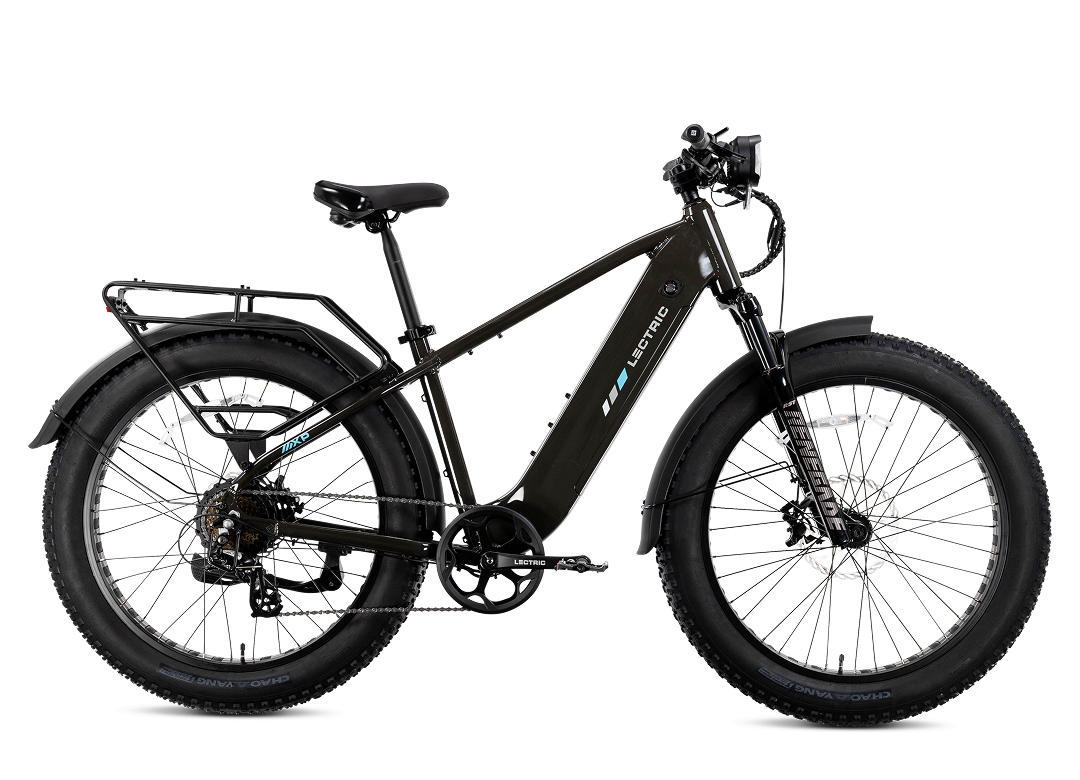
Lectric XPeak Off-Road Trail Bike
from
$1499
Torque sensor-equipped fat tire eBike with upgraded frame and responsive pedal assist for trails and mixed terrain.
Best for: Riders seeking an affordable, versatile fat tire eBike with solid range and responsive motor control.
$1499 · Check priceWhat we like
- + Outstanding value with premium-level torque sensor and PWR+ technology
- + Strong components (hydraulic brakes, 203mm rotors, Shimano drivetrain) at low price
- + Excellent range on larger battery; UL certified
Worth noting
- – One-size-fits-most frame limits customization for very tall/short riders
- – Limited color options (white or black only)
We earn commissions from links on this page, at no cost to you. Our picks stay independent. Prices are indicative and were last checked around publication — they change often, so confirm the current price on the retailer’s site. How we research & rank →
Bottom line up front
The Lectric XPeak 2.0 is the fat-tire e-bike to buy if you want genuinely trail-capable hardware without paying premium-bike money for it. That hardware includes a torque sensor, hydraulic brakes with a 203mm front rotor, and an 80mm-travel RST Renegade fork. The 750W rear hub motor claims a 1310W peak, and Electric Bike Review’s testing of the 2.0 found the power delivery noticeably stronger than the original XPeak, though peak-wattage claims on any hub motor should be read as a ceiling figure rather than sustained output.
For mixed terrain, commuting, and casual trail riding, it’s one of the more complete packages in its price tier right now. It’s not the bike for someone who wants a true mid-drive climber, a size-specific frame, or a color beyond white or black.
Who it’s for
The XPeak 2.0 suits riders who want one bike that handles pavement, gravel, and light singletrack without buying a dedicated mountain e-bike. The torque sensor is the headline feature here: instead of the on/off cadence-based power delivery common on cheaper e-bikes, it measures how hard you’re actually pedaling and scales assist accordingly. Electric Bike Report, Outdoor Gear Lab, and RV with Tito all separately described the same effect: assist feels proportional and less abrupt, especially when terrain keeps changing underneath you, which is the practical benefit of torque sensing over cadence sensing regardless of brand.
It’s also a good fit for anyone who cares about battery safety documentation. The battery pack carries UL 2271 certification and the complete electrical system is UL 2849 certified. Electric Bike Review notes this covers overcharge, short circuit, impact, and thermal protection testing on the full battery-motor-charger system, not just the cells in isolation. That standard is becoming a legal requirement for e-bike sales in California starting in 2026, so a bike that already carries it is ahead of where regulation is heading rather than scrambling to catch up. The frame also carries ISO 4210 eMTB certification, covering frame, brake, wheel, and steering safety.
Who it’s not for
Skip it if you need a frame sized specifically for your height. Lectric builds the XPeak 2.0 as one-size-fits-most, which works for a wide range of riders but will frustrate anyone at the very tall or very short end of the spectrum who wants proper standover and reach fit. A bike shop brand with multiple frame sizes is the better call if frame geometry customization matters to you.
It’s also not for buyers who want to test-ride before purchasing. Lectric sells direct-to-consumer, which is how it keeps the price down, but Outdoor Gear Lab flagged the trade-off directly: you can’t demo it locally, and while many bike shops will assemble a direct-to-consumer bike for a fee, you’re buying on spec sheets and reviews rather than a parking-lot test lap.
And if your riding is mostly steep, sustained climbs, know the structural limits of a hub motor versus a mid-drive. A hub motor spins at a fixed relationship to wheel speed and can’t shift into a lower gear to keep the motor in its efficient range on a steep grade the way a mid-drive can, since a mid-drive pushes power through the bike’s own gearing. That’s a mechanical fact about the category, not a XPeak-specific weakness, but it means the torque sensor and 750W motor here help mask grade struggle on moderate hills without functioning as a substitute for a mid-drive on truly mountainous terrain.
Where it stands out
Electric Bike Review’s review of the 2.0 found the redesigned frame addresses a flex complaint that dogged the original XPeak, describing the new frame as noticeably more planted at speed on descents. Frame flex under load was one of the more consistent complaints about the first XPeak, so this fix matters if you’re cross-shopping the two generations.
The component upgrades matter more than they might look on a spec sheet. Lectric moved from a Shimano Tourney 7-speed to an Altus 8-speed drivetrain and bumped the front brake to a 203mm hydraulic rotor, up from the smaller rotor on the original. Ebike Escape and Electric Bike Review both treated this as a real upgrade rather than a cosmetic one: on a 64.5 lb bike carrying real speed downhill, rotor size and hydraulic (versus mechanical) actuation directly affect stopping power and resistance to brake fade on long descents.
Battery placement is another quiet win. The down-tube-integrated pack keeps weight low and centered compared to rack-mounted battery designs common on cheaper fat-tire bikes, which affects handling feel on a bike this heavy. A rack-mounted battery sitting high and to the rear makes a loaded bike feel more top-heavy at low speed and in tight turns.
Where it falls short (real owner-reported issues)
The honest limitations track with what fat-tire e-bikes generally struggle with, not unique defects. At 64.5 lbs, it’s a genuinely heavy bike to lift, load onto a rack, or carry up stairs. Anyone shopping their first fat-tire e-bike coming from a standard bicycle should expect that weight to be a bigger adjustment than the spec sheet number suggests, since fat tires and a full battery pack add up fast compared to a lightweight commuter e-bike.
Advertised range needs a mental discount. The 80-mile figure applies to the larger 960Wh battery option under favorable conditions: low assist, flat terrain, moderate temperature, lighter rider. Consumer Reports’ buying guide flags this pattern across the entire e-bike category, not just this bike: manufacturer range figures are typically measured at the lowest assist level, and real-world range at higher assist or on hills commonly comes in well under the advertised max. Expect meaningfully less than 80 miles in mixed use with normal assist levels, closer to the top end only on flat pavement at the lowest assist setting.
Battery longevity is harder to pin to a single number than marketing copy often suggests. Lithium-ion e-bike batteries degrade based on charge cycles, storage temperature, and how often they’re run near full charge or fully drained, and that combination varies enough by chemistry and battery management system that any single stated percentage should be treated as a rough range rather than a guarantee. What’s consistent across sources like Xbenbike’s degradation guide is the direction: heat exposure and deep discharge cycles accelerate capacity loss, so storing the XPeak 2.0’s battery in a cool, dry place and avoiding letting it sit at very low charge for long periods will meaningfully extend its useful life versus garage heat or habitual full discharges.
The fixed color choice (white or black) and one-size frame are the two most repeated soft complaints. Neither affects performance, but they’re real constraints if fit customization or aesthetics matter to you.
How it stacks up against a direct competitor
The clearest same-tier comparison is the Heybike Explorer, a fat-tire e-bike that also targets budget-conscious trail-and-commute riders. The Explorer typically ships with a cadence sensor rather than a torque sensor, which is the single biggest functional gap between the two bikes: cadence sensing delivers power based on whether you’re pedaling at all, not how hard, so assist tends to feel more like an on/off switch and less proportional than what the XPeak 2.0’s torque sensor provides, particularly on technical or mixed terrain where pedaling effort changes constantly. The XPeak 2.0 also pairs its 750W hub motor with a 203mm hydraulic front rotor and an 80mm-travel RST Renegade fork, giving it a more capable braking and suspension package for the kind of descents fat-tire buyers actually ride. Where the comparison gets closer is battery capacity and price positioning, since both brands compete aggressively on spec-for-dollar value in the sub-premium fat-tire segment. If you’re deciding between them, the torque sensor and brake rotor size are the two concrete things worth testing or researching rider feedback on before choosing, rather than comparing headline wattage numbers, which tend to be similar across this class of hub-motor fat-tire bikes.
The verdict
The Lectric XPeak 2.0 earns its reputation as a value pick because Lectric spent the upgrade budget on the parts that actually cause problems on cheaper fat-tire bikes: braking hardware, frame stiffness, and drivetrain quality, rather than just bumping a headline spec number. CleanTechnica’s six-month real-world follow-up found it held up as durable with minimal issues after extended ownership, which matters more than a launch-day first impression built on a single test ride. Buy it if you want a capable, safety-certified, all-terrain e-bike and don’t need a size-specific frame or a mid-drive motor for serious mountain climbing. Look elsewhere, including at torque-sensor-equipped competitors if you can find one at a similar price, if fit customization, color choice, or steep sustained climbing are non-negotiable for you.
Frequently asked questions
Is the Lectric XPeak 2.0 good for hills?
It handles moderate grades well thanks to its torque sensor and 750W hub motor, which scales power to pedaling effort rather than just switching on at a set cadence. Like all hub-motor e-bikes, it’s mechanically less efficient than a mid-drive on steep, sustained climbs, because a hub motor can’t shift into a lower gear ratio to stay in its efficient range the way a mid-drive can. It’s a solid choice for hilly commutes and rolling terrain, but it isn’t built as a dedicated climbing bike for sustained mountain grades.
How does the Lectric XPeak 2.0 compare to the original XPeak?
The 2.0 is a meaningful upgrade at the same price point. Electric Bike Review’s testing found the redesigned frame addresses the flex issues reported on the original, and the bike now ships with an upgraded Shimano Altus 8-speed drivetrain (up from Tourney 7-speed) and a larger 203mm front hydraulic rotor for stronger, more fade-resistant braking. There’s little reason to choose the original XPeak over the 2.0 if both are available at similar pricing.
Does the Lectric XPeak 2.0 really get 80 miles of range?
80 miles is the maximum figure on the larger 960Wh battery option under close-to-ideal conditions: lowest assist level, flat terrain, moderate weather, and a lighter rider. Consumer Reports’ buying guide notes this pattern holds across the e-bike category broadly, since manufacturer range numbers are typically measured at minimum assist. Real-world range drops noticeably with higher assist levels, hills, cold weather, or a heavier rider, so budget for meaningfully less than 80 miles in typical mixed riding.
Is UL certification actually important for an e-bike battery?
Yes. UL 2849 certification, which the XPeak 2.0’s complete electrical system carries per Electric Bike Review, tests the battery, motor, and charger together against overcharge, short circuit, impact, and thermal runaway risk, the leading causes of e-bike battery fires. It’s also becoming a legal requirement for e-bike sales in California starting in 2026, so a bike that’s already certified is ahead of where the market and regulation are heading rather than needing to catch up later.
How long will the Lectric XPeak 2.0’s battery last before it needs replacing?
Lithheim-ion e-bike batteries generally lose capacity gradually over hundreds of charge cycles, with the rate depending heavily on storage temperature, how often the battery sits at very high or very low charge, and overall usage pattern, per general e-bike battery degradation guidance from sources like Xbenbike. There isn’t a single precise percentage that applies universally across brands and chemistries, but the practical takeaway is consistent: keep the battery out of extreme heat, avoid storing it fully depleted for long stretches, and avoid unnecessary full-drain cycles to get the most usable years out of it before capacity loss becomes noticeable.
Keep reading
- Fat tire ebike
- Lectric XPeak 2.0 vs Aventon Aventure 3
- Electric utility bike
- Aventon aventure 2 ebike
- Electric bike
- Aventon Aventure 3 review
- Commuter electric bike
- Electric bike for adults
Sources
- Lectric XPeak 2.0 First Impressions Review | Better Ride, Same Cost
- Lectric XPeak 2.0 (6-Month Review) - CleanTechnica Tested
- Lectric XPeak2 Review | Tested & Rated
- Lectric XPeak 2.0: New Frame, More Power and Same Price!
- Lectric XPeak 2.0 Review: The All-Terrain Fat Tire Ebike Just Got Better!
- LECTRIC XPeak 2.0 E-Bike - A Versatile All-Terrain Cruiser
- Best Electric Bike Buying Guide via @ConsumerReports
- The Best Electric Bikes of 2026 | Lab Tested & Ranked
- How to Choose an Electric Bike | REI Expert Advice
- E-Bike Battery Degradation: Measure Real-World Amp-Hour Loss
- E-Bike Battery Life Loss: Annual Degradation Guide
- 7 Signs Your E-Bike Battery Needs Replacement: Lifespan, Warning Signs
Specifications
| Motor | 750W rear hub (1310W peak) |
|---|---|
| Range | Up to 80 miles |
| Tires | 26" x 4" puncture-resistant knobby |
| Weight | 64.5 lbs |
| Battery | 48V 20Ah (960Wh option) |
| Top Speed | 28 mph |
| Suspension | RST Renegade fork (80mm travel) |
Alternatives
Other options worth comparing
Aventon Aventure All-Terrain Adventure Bike
Best for riders wanting modern smart features, GPS security, and smooth torque-sensor power on varied terrain.
Aipas M2 Pro Full-Suspension Off-Road Bike
Best for off-road riders and budget-conscious buyers wanting dual suspension and strong climbing power.
Aventon Sinch Compact Folding Fat-Tire Bike
Best for urban commuters and travelers needing compact storage with confident handling.